Membrane Technology for Food & Biotechnology
Process engineering, industrial membrane systems and scale-up from laboratory to production.
Industrial Membrane Systems
Custom MF, UF, NF and RO systems for food, dairy, biotechnology and industrial processes.
Industrial Membrane Systems →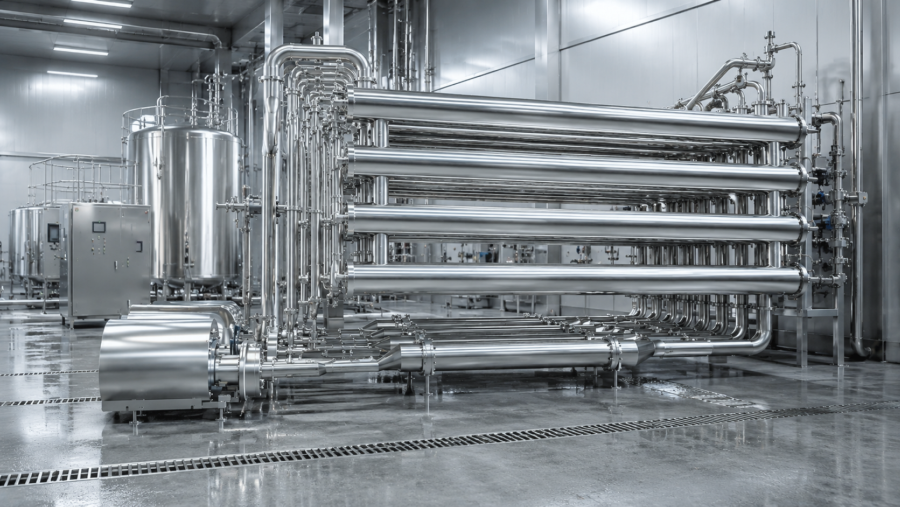
Membrane Process Engineering
Process development, optimisation and industrial scale-up based on measurable engineering data.
Process Engineering →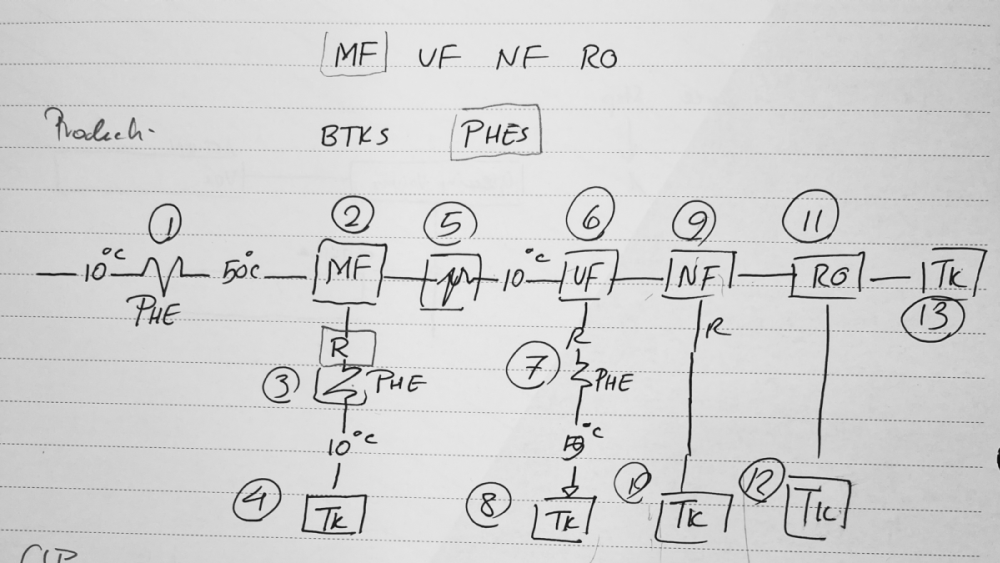
Ceramic Membranes
Robust membrane systems for demanding filtration, cleaning and process conditions.
Ceramic Membranes →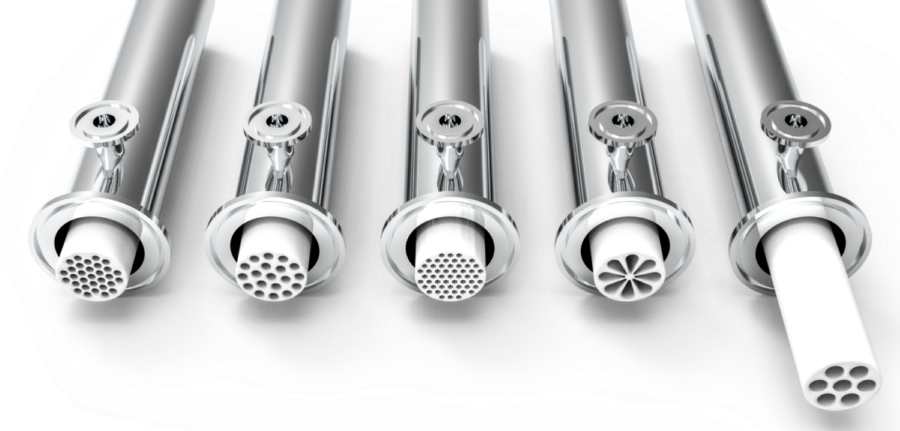
Membrane Cleaning & CIP
Cleaning strategies to restore performance, stabilise flux and reduce downtime.
Membrane Cleaning & CIP →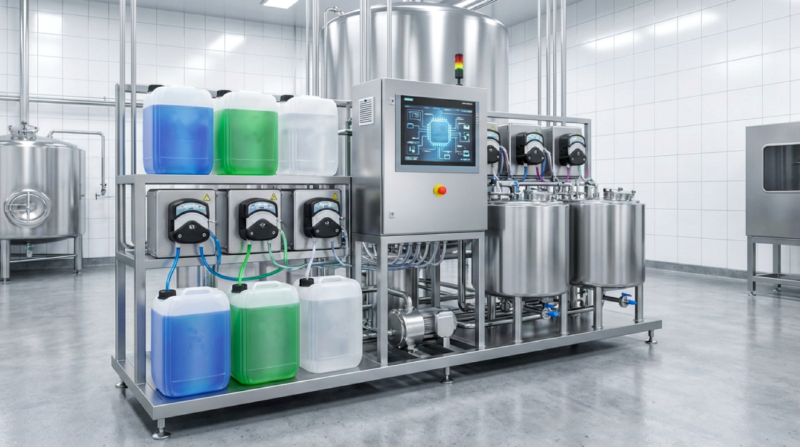
Process Water Recovery
Membrane processes for water recovery, treatment and reuse within production.
Water Recovery & Reuse →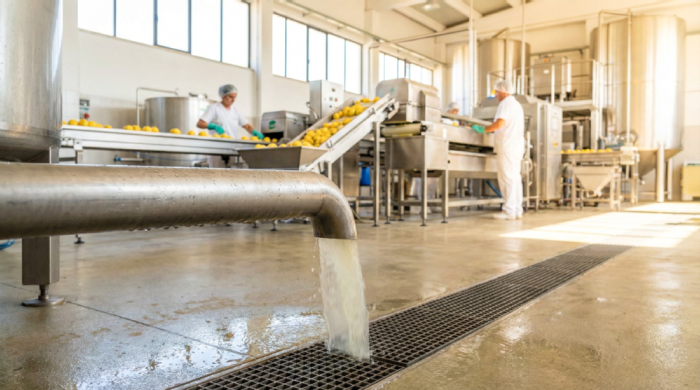
Membrane System Automation
Open, data-driven process control for reliable and reproducible membrane operation.
Automation & Data Acquisition →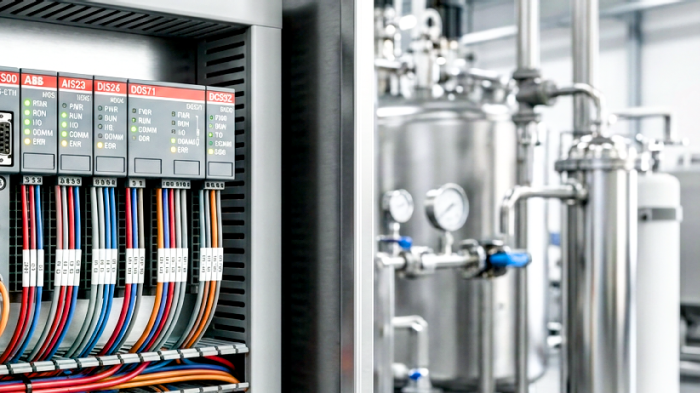
Understand the process.
Engineer the system.
Scale with evidence.
Membrane Technology from Laboratory Development to Industrial Production
Membrane technology is used to separate, concentrate, purify and recover valuable components in food processing, dairy production, biotechnology, fermentation, process water treatment and chemical manufacturing.
Messinger Engineering supports projects from the first technical question through laboratory trials, pilot plants, industrial process design, automation and implementation. The work combines process engineering, mechanical design, instrumentation, software and practical membrane experience.
Membrane Processes & Industries
- Microfiltration
- Ultrafiltration
- Nanofiltration
- Reverse Osmosis
- Diafiltration
- Ceramic membrane filtration
- Food processing
- Dairy & protein fractionation
- Biotechnology & fermentation
- Process water treatment
- Chemical process industry
Engineering Tasks
- Process development
- Laboratory testing
- Pilot plant design
- Scale-up & scale-down
- CIP & membrane cleaning
- Automation & data acquisition
- Process optimisation
- Industrial implementation
Process Scaling Engineering
A membrane process can only be scaled reliably when laboratory and pilot systems generate the right engineering information. This includes membrane selection, transmembrane pressure, crossflow velocity, temperature, feed concentration, permeate flux, retention, concentration factor, cleaning behaviour and product quality.
Messinger Engineering connects laboratory experiments with industrial design. The objective is to create experimental systems that answer practical engineering questions and provide a sound basis for pilot plants, industrial membrane systems and turnkey production equipment.
A Personal Engineering Journey
Messinger Engineering began with a simple motivation: to develop membrane processes and systems with technical clarity, flexibility, robustness and practical usability.
More than three decades of work now connect membrane technology with process engineering, mechanical design, automation, programming and electronics — from large modular systems to highly specialised laboratory equipment.
Today, systems, pilot plants and process concepts are developed for customers across Europe. Many projects are confidential, so only a small part of the work can be shown publicly. The core idea remains unchanged: thoughtful engineering that helps people understand, develop and improve membrane-based processes.
About Messinger Engineering →