Cleaning-in-Place (CIP) for Membrane Systems
Customized membrane cleaning strategies for reliable operation, reduced fouling and efficient recovery of membrane performance.
Messinger Engineering develops Cleaning-in-Place strategies for industrial membrane systems used in food processing, biotechnology and process engineering. We support operators of ultrafiltration, microfiltration, nanofiltration and reverse osmosis systems with tailored CIP procedures, dosing concepts and process-oriented cleaning optimization.
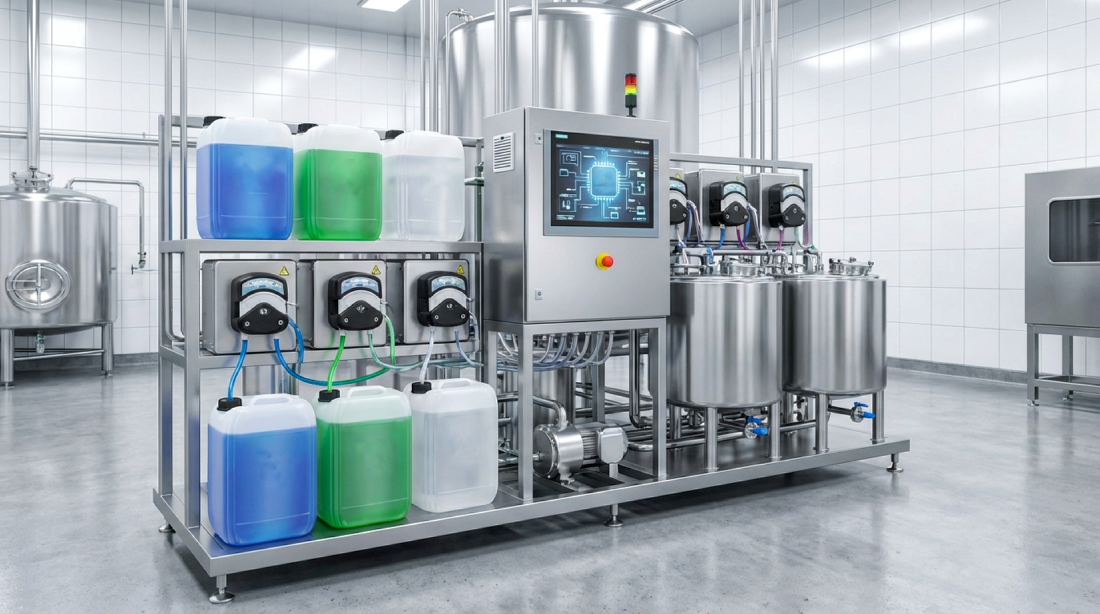
Is your membrane system really clean?
In membrane systems, the membrane surface cannot be inspected visually after cleaning. Residues, fouling layers and cleaning effects remain hidden inside modules, channels and membrane structures. For this reason, CIP performance must be evaluated through process data, operating behavior and membrane performance.
Important indicators include permeability recovery, pressure drop, flow behavior, temperature profile, conductivity, pH, cleaning time and cleaning-agent concentration. A good CIP strategy connects these signals into a reproducible cleaning concept adapted to the specific membrane process.
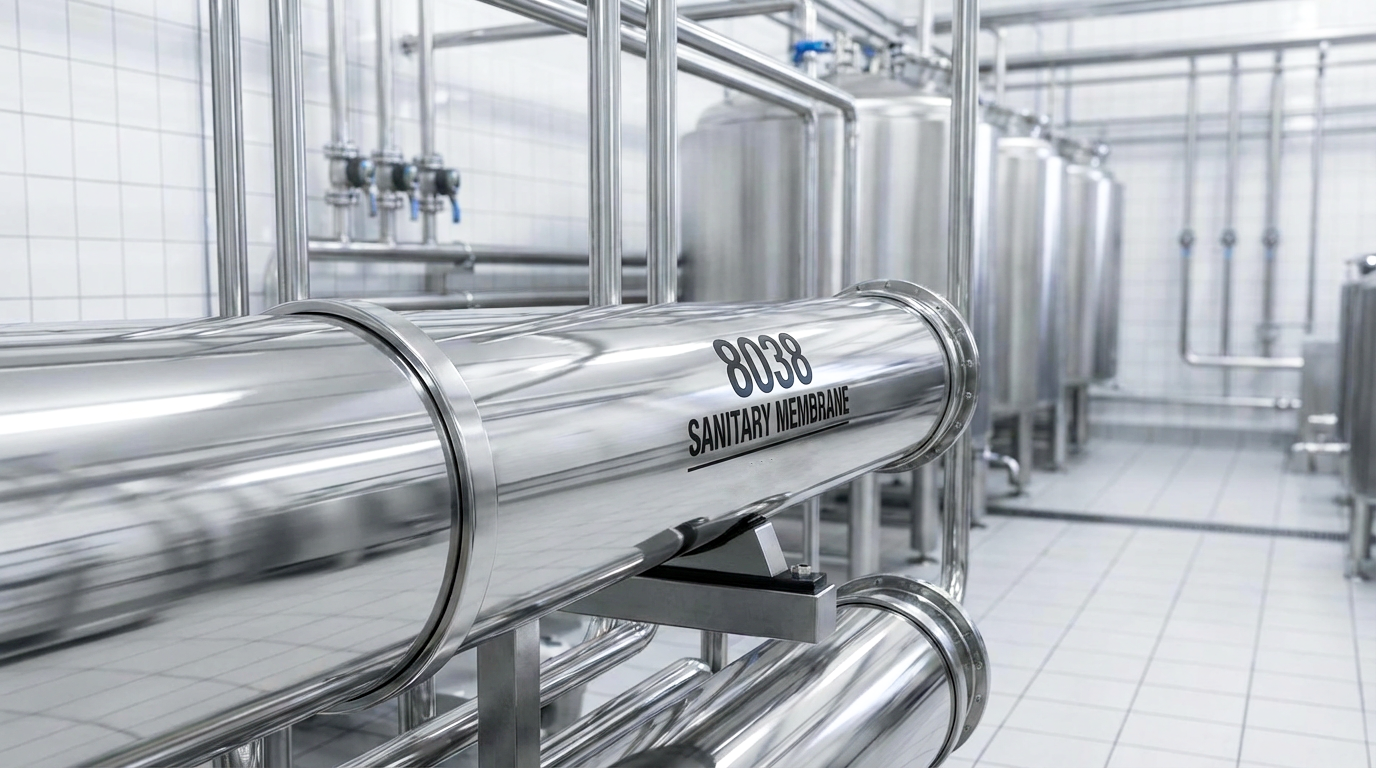
Membrane fouling determines the cleaning strategy
Membrane fouling can be caused by proteins, fats, polysaccharides, minerals, biofilms, particles or mixed organic and inorganic deposits. Each fouling type requires a different cleaning mechanism.
- Proteins often require alkaline or enzymatic cleaning.
- Mineral deposits often require acidic cleaning.
- Fats and oils require suitable detergents and temperature control.
- Biofilms require hygienic design, disinfection and preventive process control.
- Particles require sufficient crossflow velocity and hydraulic flushing.
Effective membrane cleaning starts with understanding the fouling mechanism. Only then can chemical concentration, temperature, flow rate, pressure, contact time and rinsing strategy be selected correctly.
Customized CIP instead of standard cleaning programs
Standard CIP programs often use fixed cleaning times, fixed concentrations and fixed temperature profiles. Membrane systems, however, behave differently depending on product composition, membrane material, fouling type, hydraulic design and operating history.
A customized CIP procedure adapts the cleaning sequence to the actual process. This may include alkaline cleaning, acidic cleaning, enzymatic cleaning, disinfecting steps, intermediate rinsing, conductivity-controlled rinsing and targeted dosing of cleaning additives.
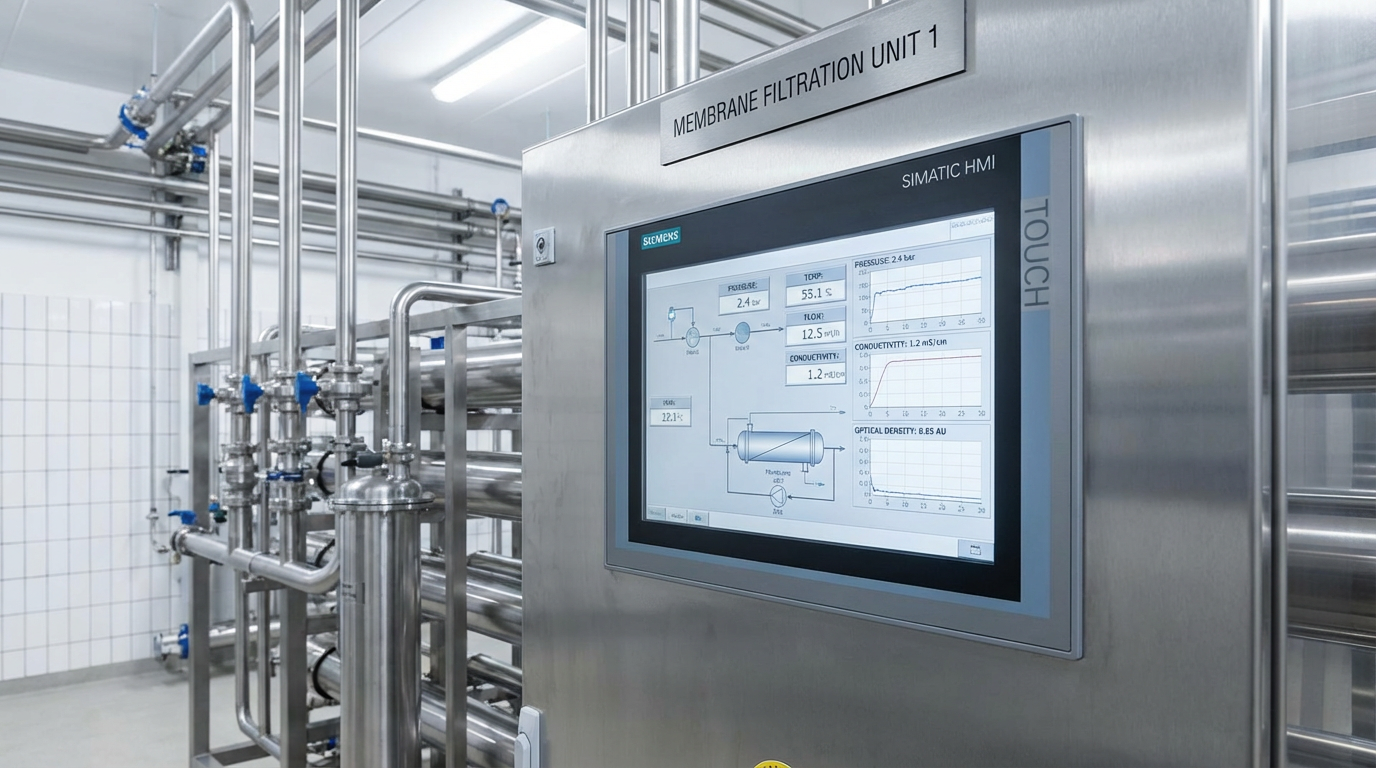
The goal is to restore membrane performance with the lowest effective use of water, chemicals, energy and time. This protects the membrane, improves plant availability and reduces unnecessary operating costs.
CIP engineering for food and industrial membrane plants
Messinger Engineering supports membrane plant operators with practical CIP engineering from analysis to implementation. This includes cleaning trials, process review, dosing concepts, sensor integration, automation logic and optimization of existing cleaning procedures.
Our work is especially relevant for membrane systems in dairy processing, beverage production, fermentation, protein concentration, process water recovery and other food or biotech applications where hygiene, product quality and uptime are critical.
CIP engineering connects chemistry, hydraulics, instrumentation, automation and process performance.From cleaning procedure to controlled process state
In practice, cleanliness is not an absolute condition. It is a functional process state in which the membrane system performs within defined limits. The relevant question is therefore: does the system return to the required performance after cleaning?
A modern CIP concept treats cleaning as part of the membrane process itself. Fouling, cleaning and re-fouling are monitored, interpreted and optimized as recurring process states. With suitable sensors, dosing systems and data evaluation, CIP becomes a controllable engineering function rather than a fixed routine.
This approach enables more precise cleaning, lower chemical consumption, shorter downtime and better long-term membrane performance.
Typical CIP optimization topics
- Recovery of membrane flux and permeability
- Reduction of cleaning time and water consumption
- Optimization of alkaline, acidic and enzymatic cleaning steps
- Selection of cleaning agents and dosing strategy
- Improvement of rinsing control using conductivity and pH
- Prevention of membrane damage caused by over-cleaning
- Integration of CIP data into process monitoring
- Development of cleaning procedures for new membrane processes
Reliable membrane cleaning requires system understanding
CIP performance depends on the interaction between membrane material, fouling type, product composition, flow conditions, cleaning chemistry, temperature and automation. The best cleaning strategy is therefore not a universal recipe. It is an engineered operating concept adapted to the real membrane process.