Ceramic MF/UF Membranes
Ceramic MF/UF membranes are robust, porous filtration materials that separate particles and macromolecules based on pore size, enabling reliable operation under demanding chemical, thermal, and mechanical conditions.
Ceramic Membranes for Viscous and Particle-Rich Fluids
- Hydrocolloids (e.g. pectin, agar, carrageenan, xanthan)
- Gelatin and collagen solutions
- Fermented dairy (e.g. skyr, yogurt, quark, cream)
- Fruit preparations (e.g. purées, pulps, baby food)
- Vegetable preparations (e.g. tomato paste)
- Sauces and dressings (e.g. ketchup, mayonnaise)
- Syrups (e.g. molasses)
- Plant-based dairy alternatives
- Starch slurries and fermentation broths
- Protein-rich streams and concentrates
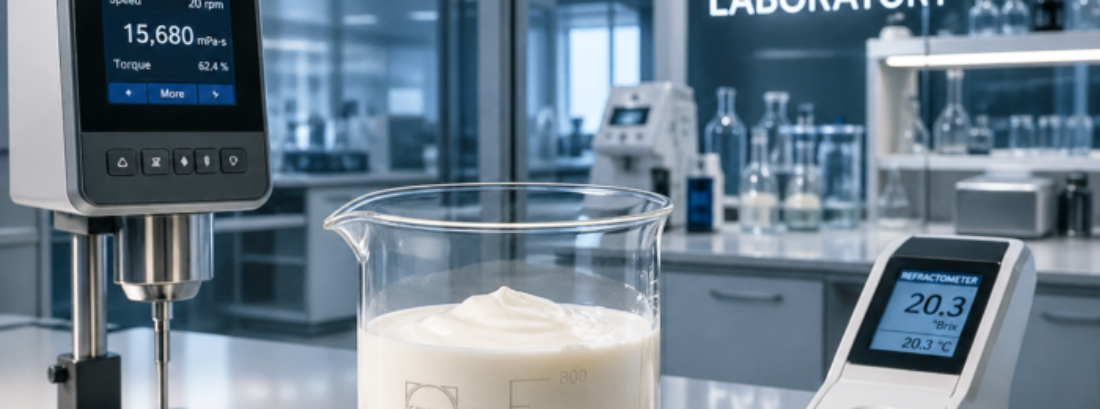
Ceramic Membranes are engineered for demanding processes and extreme operating conditions.
High-Temperature Cleaning (CIP)
Ceramic membranes tolerate elevated temperatures during operation and cleaning. High-temperature CIP improves removal of fouling layers and reduces biological contamination. This enables faster recovery and more stable long-term performance.
pH 0–14 Stable
Ceramic membranes remain chemically stable across the full pH range from 0 to 14. They withstand aggressive acidic and alkaline cleaning agents without degradation. This ensures consistent separation performance and long service life.
Fully Backflushable
Ceramic membranes allow full backflushing to remove fouling and deposits. Reversing the flow restores permeability and extends operating cycles. This reduces downtime and improves overall system efficiency.

Request a Ceramic Membrane System Design
Engineered for your specific process.
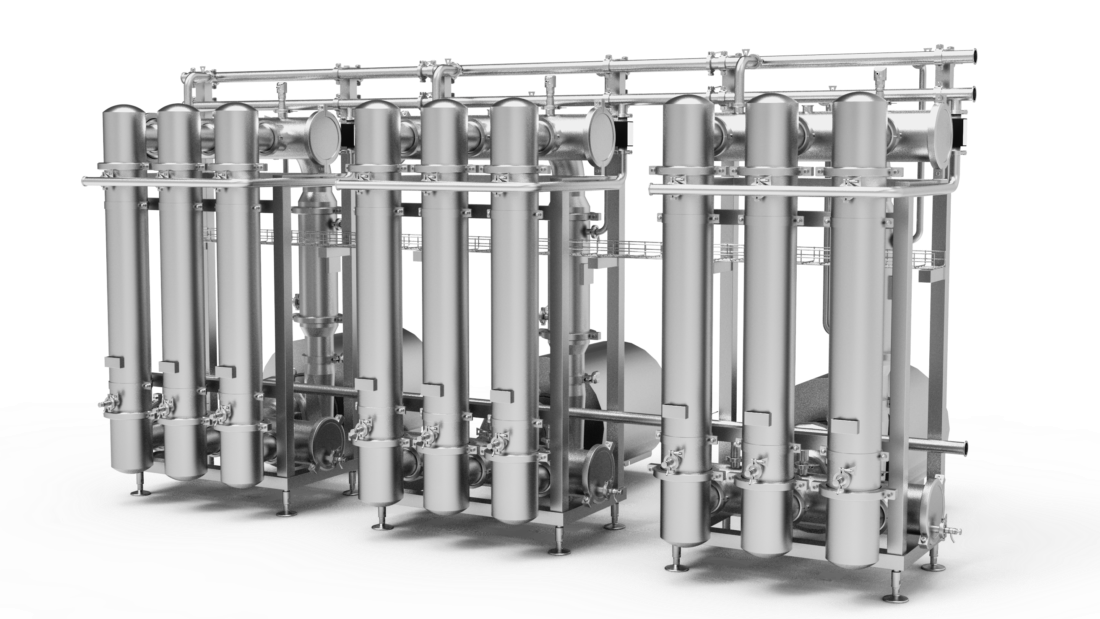
We design ceramic membrane systems and processes from lab to full scale. Our work includes process development, mass and energy balances, and optimized cleaning strategies (CIP).
We collaborate with all major ceramic membrane suppliers to deliver hygienic, reliable solutions for food and biotech applications. The result: robust processes, consistent performance, and scalable system design.
Design Flexibility with Hundreds of Ceramic Membrane Elements
Geometries and configurations
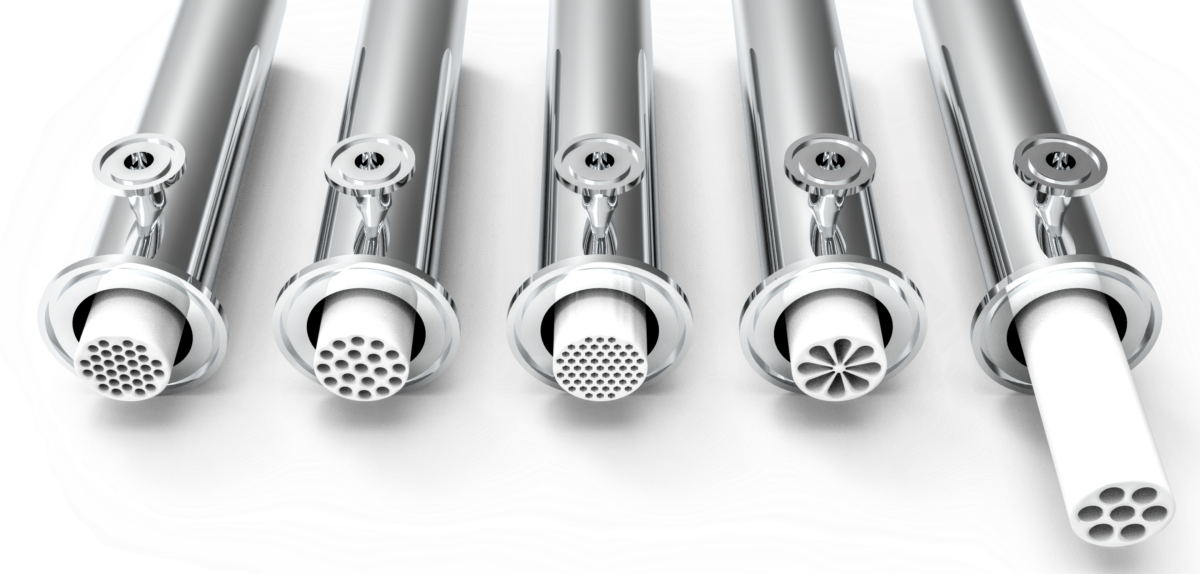
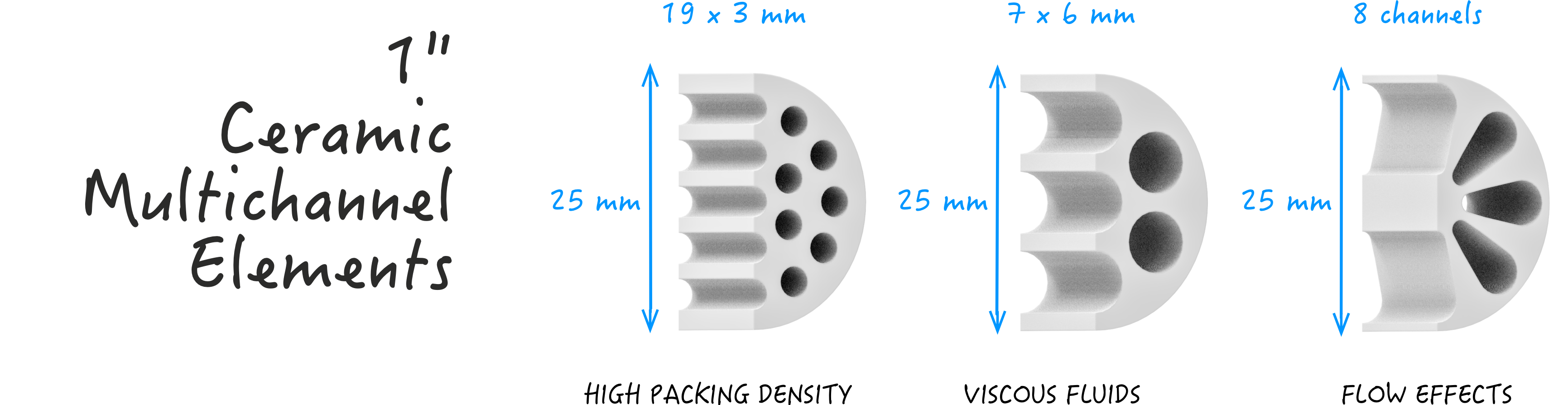
We use hundreds of 1" ceramic membrane elements to combine modular flexibility with exceptional stability, durability, and long service life.
Designed for demanding biotech and food processes, they maintain consistent performance under high viscosity, elevated temperatures, and fouling conditions.
Hundreds of geometrically interchangeable configurations from leading manufacturers enable maximum design flexibility and seamless scale-up. Each element is precisely specified by pore size or MWCO, material, and flow characteristics to achieve optimal separation performance.
Whether in biotechnology, dairy, plant-based products, or specialty food applications, ceramic membrane systems deliver tailored solutions, reduced downtime, and reliable long-term operation.
Ceramic membranes are not an alternative—they are a strategic upgrade for industrial MF/UF filtration. They eliminate common limitations of polymer membranes such as variable permeate quality, temperature constraints, chemical sensitivity, and frequent replacement cycles.
They remain stable under high temperatures and aggressive chemical conditions, maintaining pore structure and separation performance over time. The result is predictable operation, consistent product quality, and tighter process control.
High cleanability is critical in industrial biotech. Ceramic membranes tolerate intensive CIP regimes, enabling faster recovery, shorter downtime, and higher system availability.
Membrane processes depend on stable mass transfer and hydrodynamics. When membrane properties remain constant across operating conditions, your process stays predictable and controllable.
Materials
- Aluminum oxide (Al2O3)
- Zirconium oxide (ZrO2)
- Titanium oxide (TiO2)
These materials are chemically inert and do not leach harmful compounds into product — even under extreme pH and temperature. That eliminates risks associated with plasticizers, monomers, or additive migration.
Long Service Life
Durable — even with aggressive CIP
Typical service life: 10+ years with stable performance (application dependent).
Ceramic membranes support stronger, more sustainable cleaning than polymer membranes. They do not chemically degrade, and higher cleaning temperatures often eliminate the need for enzymes — reducing cost and simplifying hygiene control.
Heat & Sterilization Tolerance
Ceramic membranes can be sanitized or sterilized using steam and aggressive chemistries, reducing contamination risk in hygienic operations.
Lower Biofilm Risk
Because ceramic surfaces are highly cleanable, they are often less susceptible to persistent biofouling and biofilm formation.