Process Water Recovery with Membrane Filtration
Recover water, proteins, sugars and valuable product streams directly at the source.
Our systems integrate microfiltration (MF), ultrafiltration (UF), nanofiltration (NF), reverse osmosis (RO), ceramic membranes and polymer membranes for efficient process water recovery.
From process water to product
Process water recovery using membrane filtration enables food manufacturers to recover water, proteins, sugars and valuable product streams directly where process water is generated. Point-of-use membrane systems reduce wastewater, improve resource efficiency and support circular manufacturing. Process water is not the end of a process. It is the beginning of a recovery pathway: generated in production, separated on-site, and converted into reusable products.
Generate
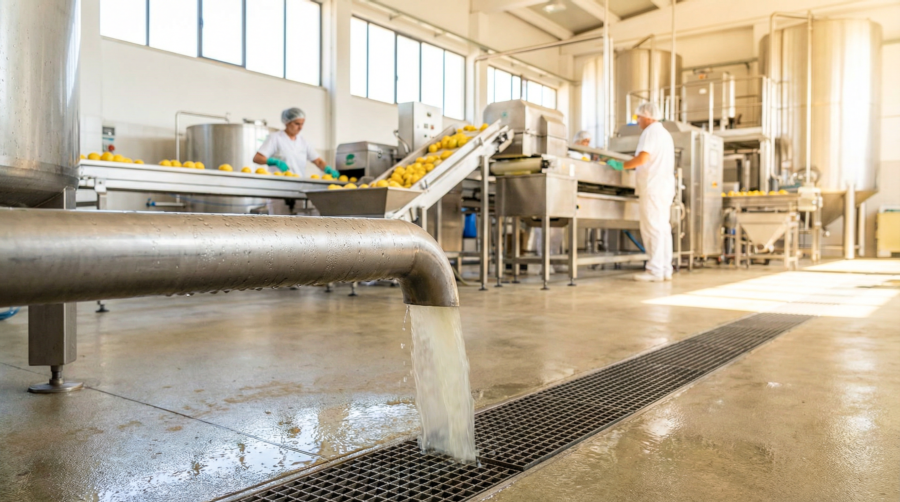
Process water is generated during food production. At this stage, it still contains defined product-specific components and should be treated before it becomes wastewater.
Recover
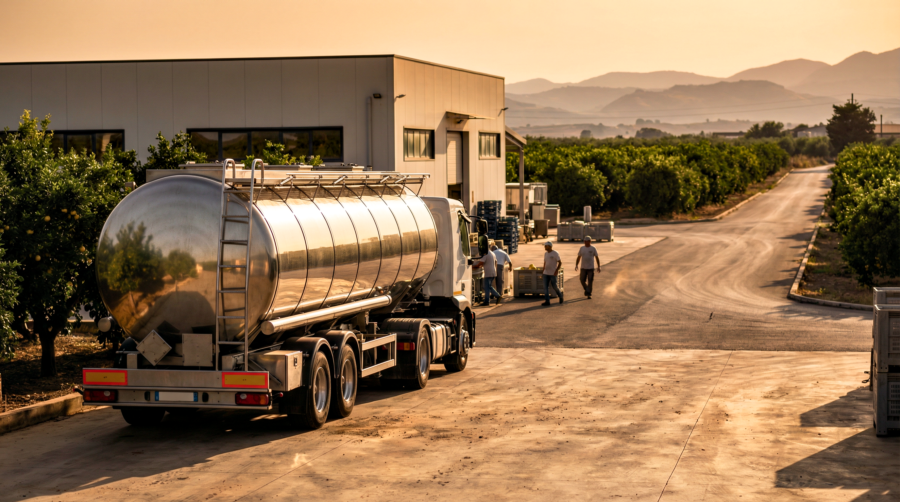
Membrane systems recover reusable water and concentrate valuable components on-site. The resulting product stream becomes stable, transportable, and ready for further use.
Reuse
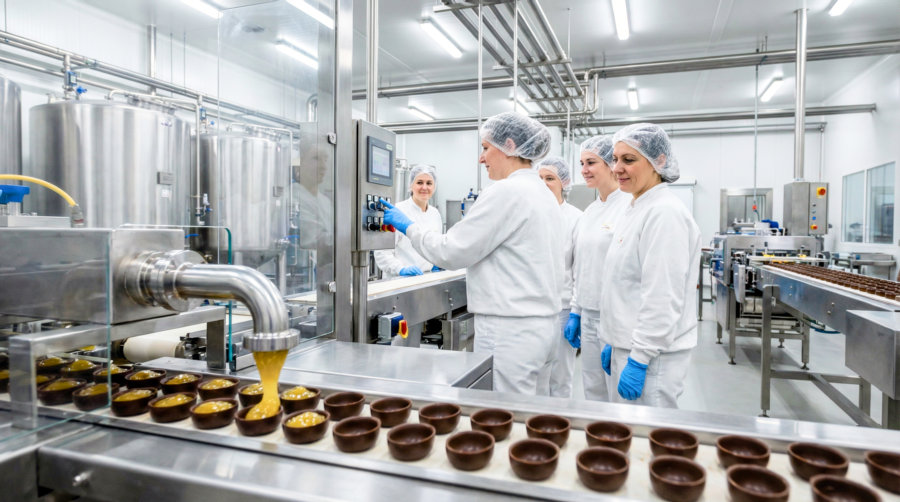
Recovered components are purified, processed, and reused as ingredients, raw materials, or substrates in other production systems.
This is the core logic of point-of-use recovery: treat process water where it is generated, before dilution and uncontrolled mixing reduce its value. In contrast to conventional end-of-pipe treatment, this approach preserves defined material streams and enables selective separation using membrane technology.
The recovered water can be reused on-site, while the concentrated fraction can be valorized externally. In this way, a local side stream becomes a usable product stream with technical and economic value.
Especially in Europe, short transport distances, industrial density, and circular economy incentives create favorable conditions for converting recovered process water components into marketable secondary raw materials.
Process Water Recovery Units
Turn process water into reusable water and valuable product streams.
Our PWRU systems operate directly at the point of generation. They separate, concentrate, and recover water and valuable components before dilution and waste occur.
Modular membrane architecture enables seamless integration into existing production lines—reducing freshwater demand, wastewater volume, and energy use while meeting strict hygiene standards.
Designed for scalable deployment and consistent output quality.
Explore your setup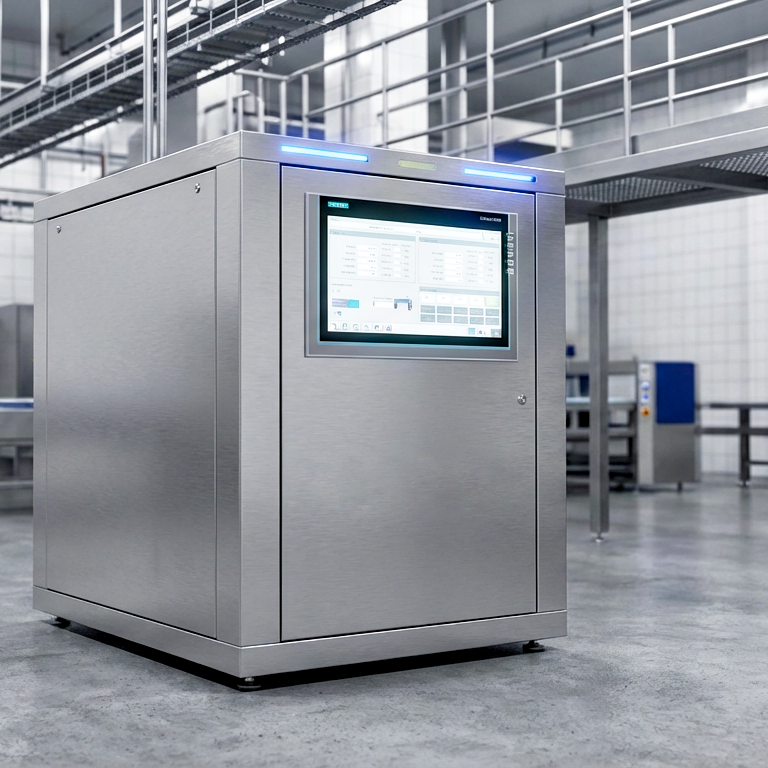
PWRU — modular recovery unit
Separate. Concentrate. Monetize.
Process water isn’t waste—it’s an underutilized asset. Membrane systems recover water and valuable components at the source, concentrate them into usable streams, and enable reuse or resale as raw materials.
1. Separate
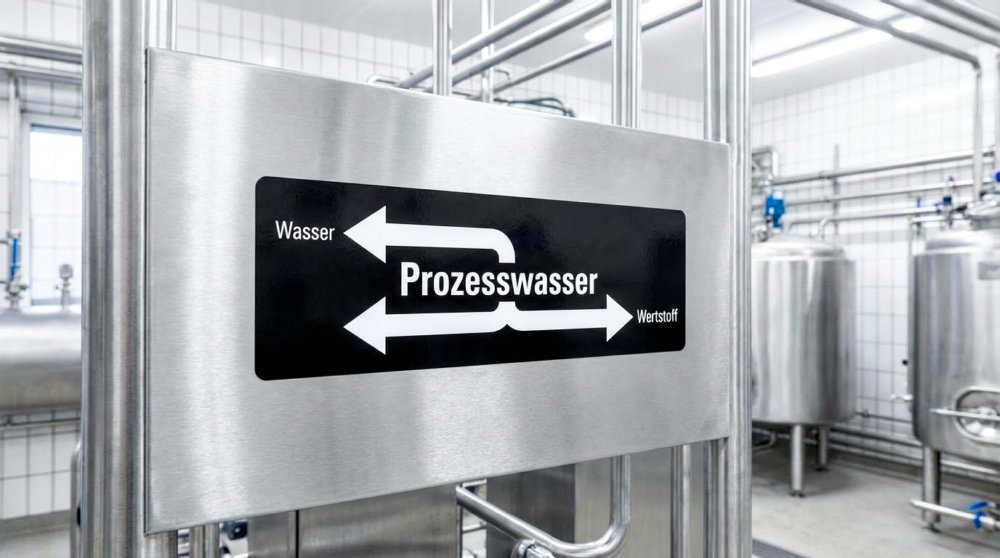
Recover water on-site using membrane filtration before dilution or disposal.
2. Concentrate
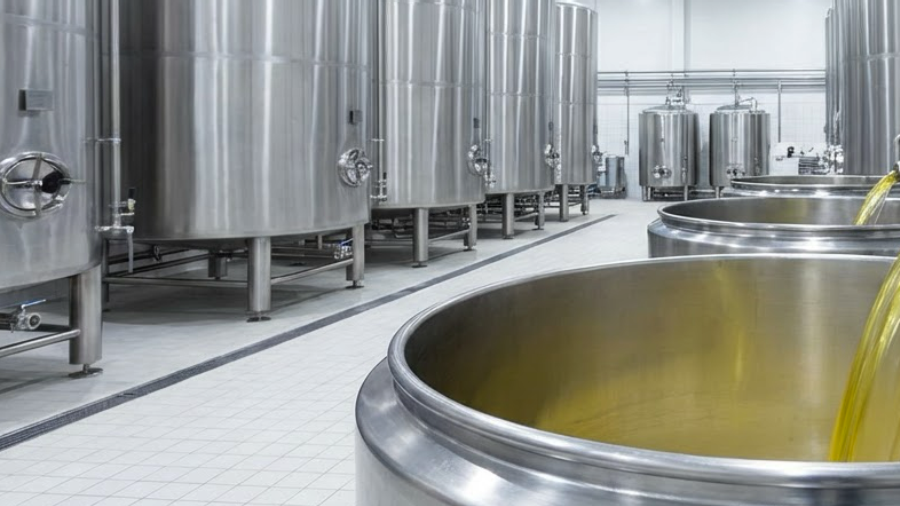
Concentrate proteins, sugars, and fats into defined, usable product streams.
3. Monetize
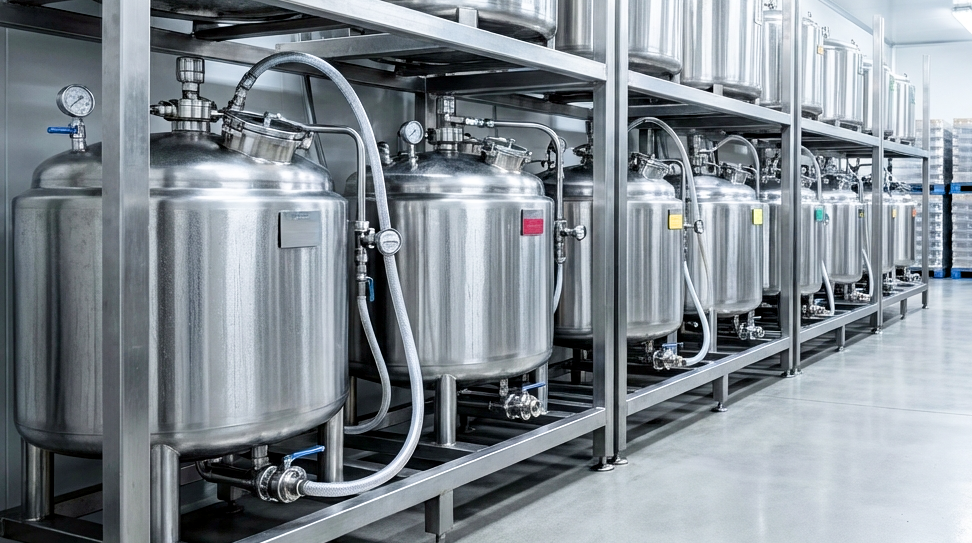
Reuse internally or sell as raw materials—turn process streams into revenue.
Don’t treat wastewater. Eliminate it.
Point-of-use (PoU) means treating streams where they are generated—not at the end of the pipe. This is where the economics flip.
- smaller systems → lower CAPEX per m³
- higher concentrations → better separation efficiency
- no dilution → no unnecessary complexity
- recover value → products instead of waste
- shrink end-of-pipe → cut OPEX permanently
This is the shift: process water becomes data, and data becomes assets. What used to be wastewater is now a controllable, monetizable supply stream.
Why this is happening now
Every facility generates process water with defined molecules and recoverable value. At the same time, pressure is increasing to improve efficiency, transparency, and resource utilization. The convergence of sensing, data infrastructure, and separation technology makes a digital circular system inevitable.
How it works
Facilities upload structured process water data to a shared platform: molecular composition, concentrations, pH, temperature, flow rates, and availability. Previously invisible side streams become standardized, queryable datasets.
A real-time analysis engine evaluates the data and designs optimal recovery pathways. Membrane systems, evaporation, distillation, and chromatography are combined into simulation-driven process chains— with defined purity, yield, and energy consumption.
From waste to asset
The system does not stop at engineering—it maps economics. It evaluates market demand, transport distances, and pricing. A local process stream becomes a tradable bulk product with quantified value. Wastewater becomes inventory.
Why Europe leads
Dense industry clusters, short logistics routes, and strong regulatory support create ideal conditions. Secondary resources move efficiently across regions. The result: a distributed, data-driven material flow network—scalable, transparent, and economically compelling.
Initiative
MESSINGER ENGINEERING
Build it with us
Want to identify value in your process water streams and define viable recovery pathways? We work with you on use cases, data models, and pilot implementations—fast, focused, and confidential.
- Structured inputs: molecules, pH, volumes, concentrations
- Automated process design: membrane, evaporation, chromatography
- Integrated techno-economic optimization